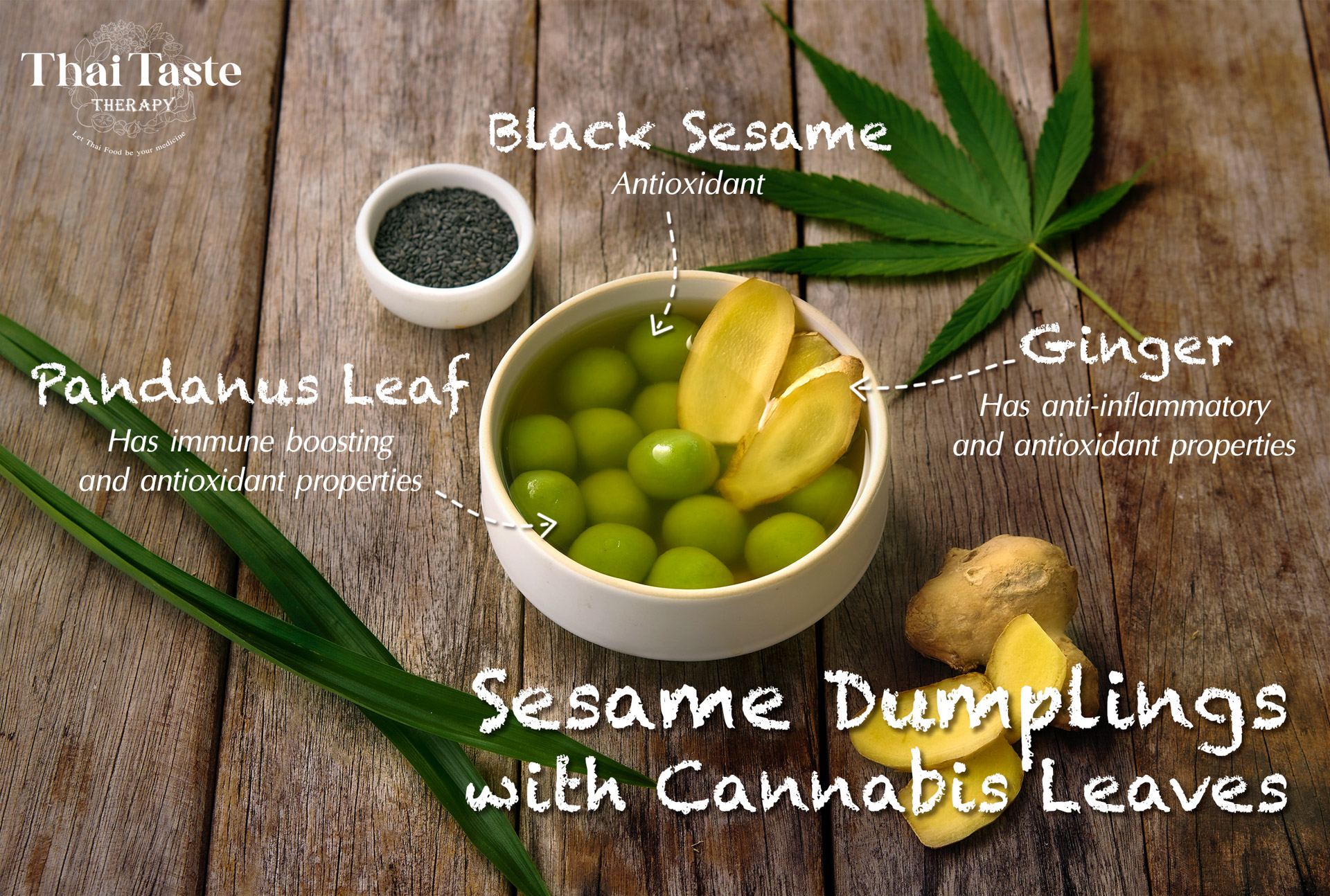
This traditional Thai dessert has been around for centuries, and it is said that the current recipe comes from the recipe of Thao Thong Kip Ma in the late Ayutthaya period. There are desserts similar to Bua Loi found the neighboring nations in the east from China all the way down to the Malay Peninsula. One origin hypothesis is that the temperate climate of Thailand lends well to starchy plants and as a result, different cooking processed involving flour have sprung up. Many ethnic groups across the continent have designed their own Bua Loi-like dishes based on local ingredients.
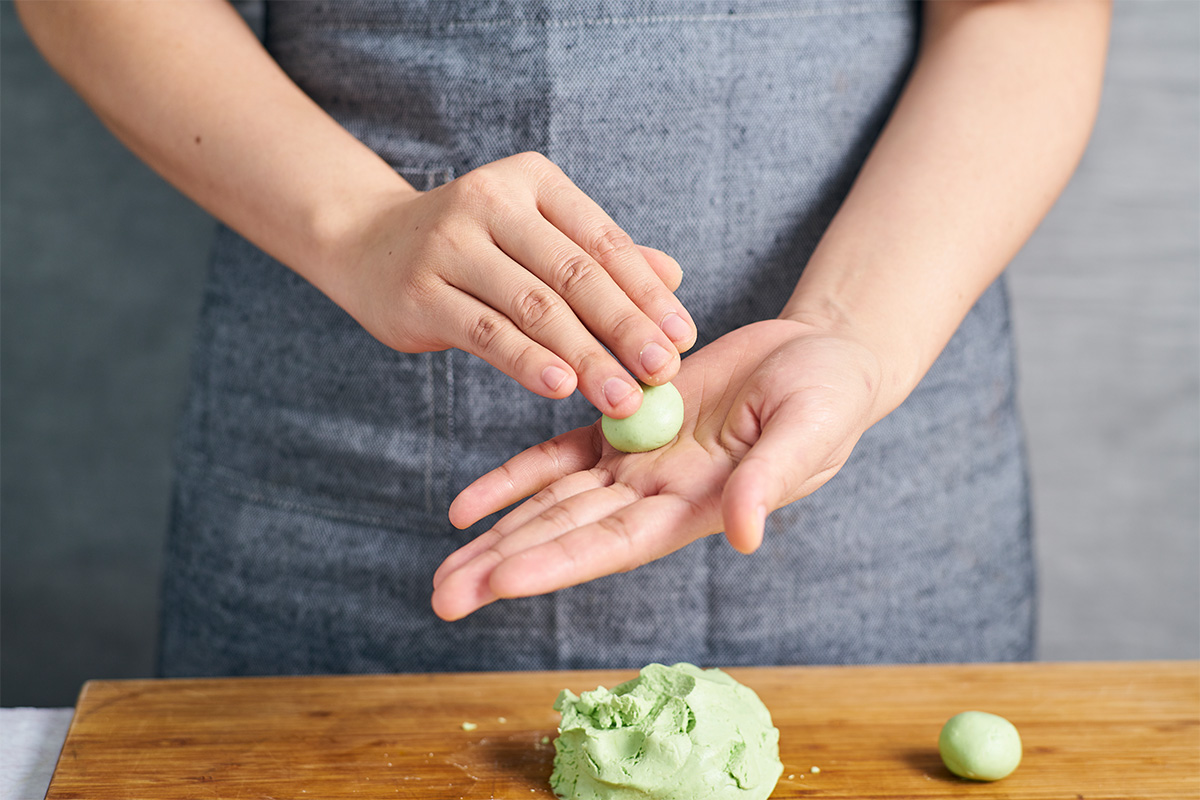
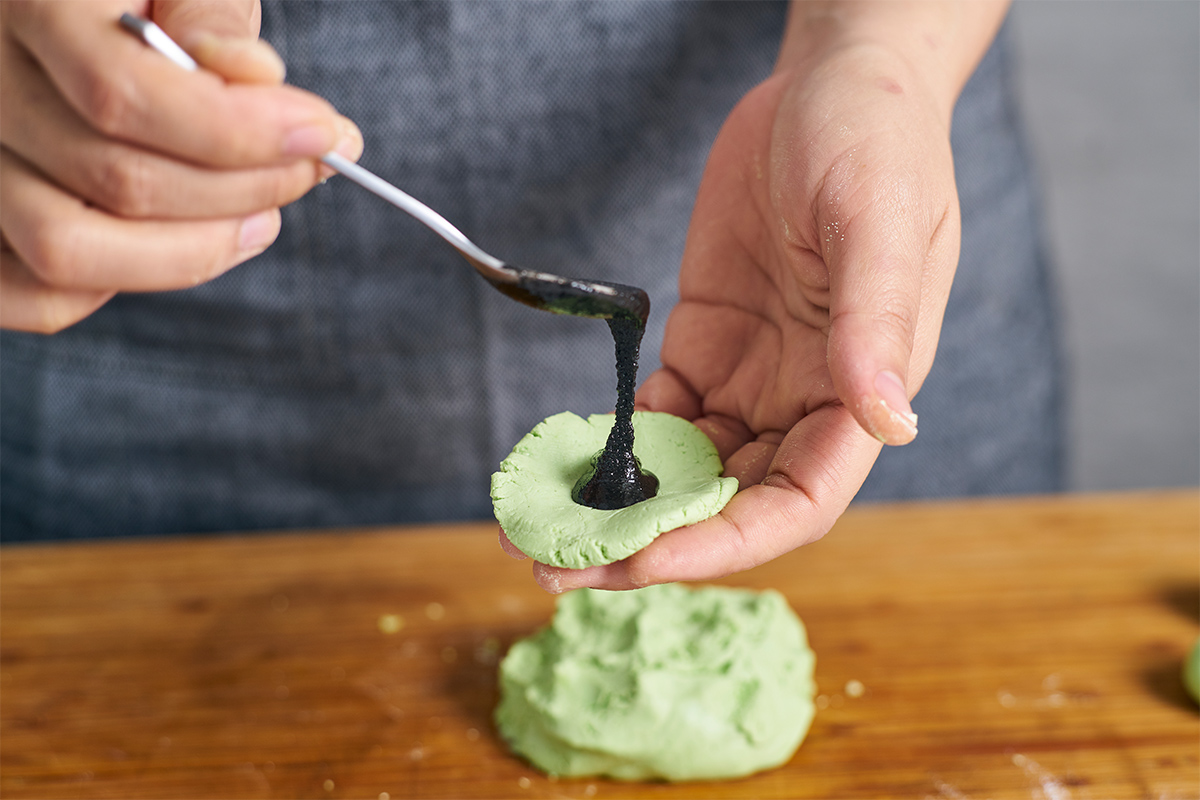
The Thai version involves molding the dough into round balls, filling them with something crunchy, and bringing them to a boil in hot water before eating with syrup or coconut milk. Some recipes add eggs to make them sweet or add just the salted egg yolks to give a rich, slightly salty taste to the dish.
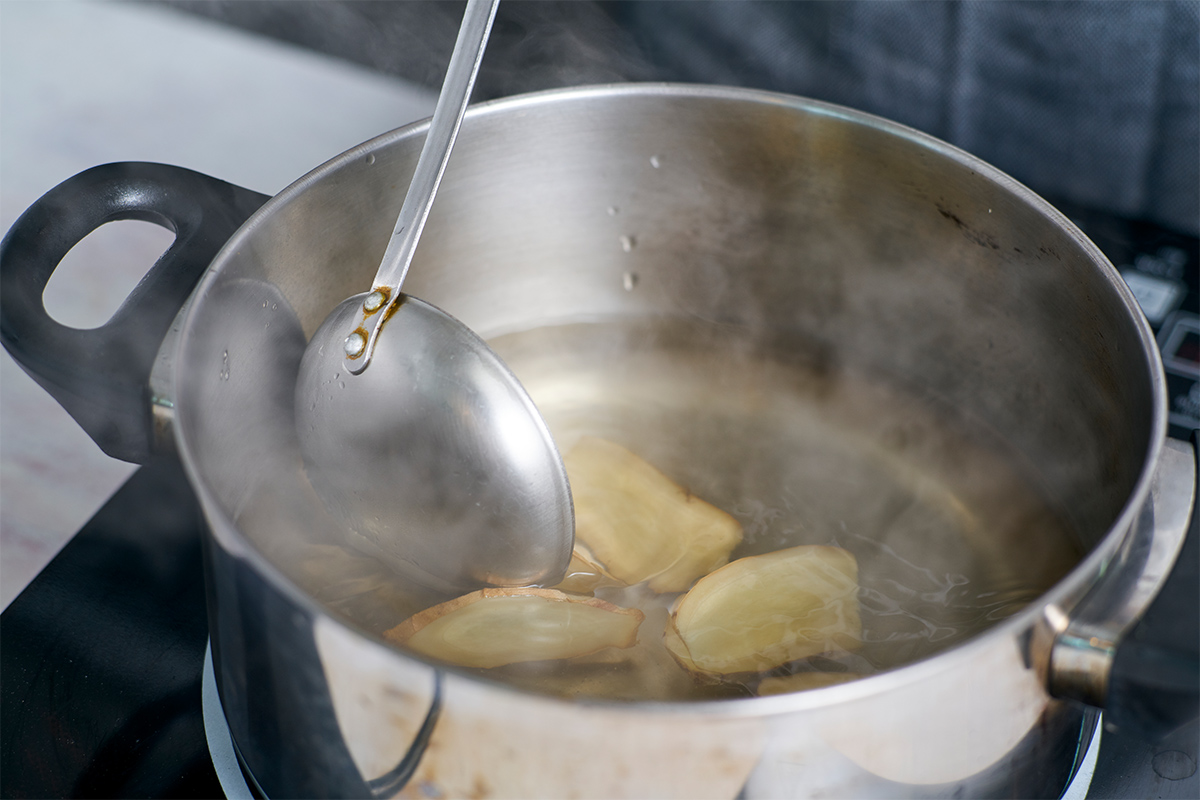
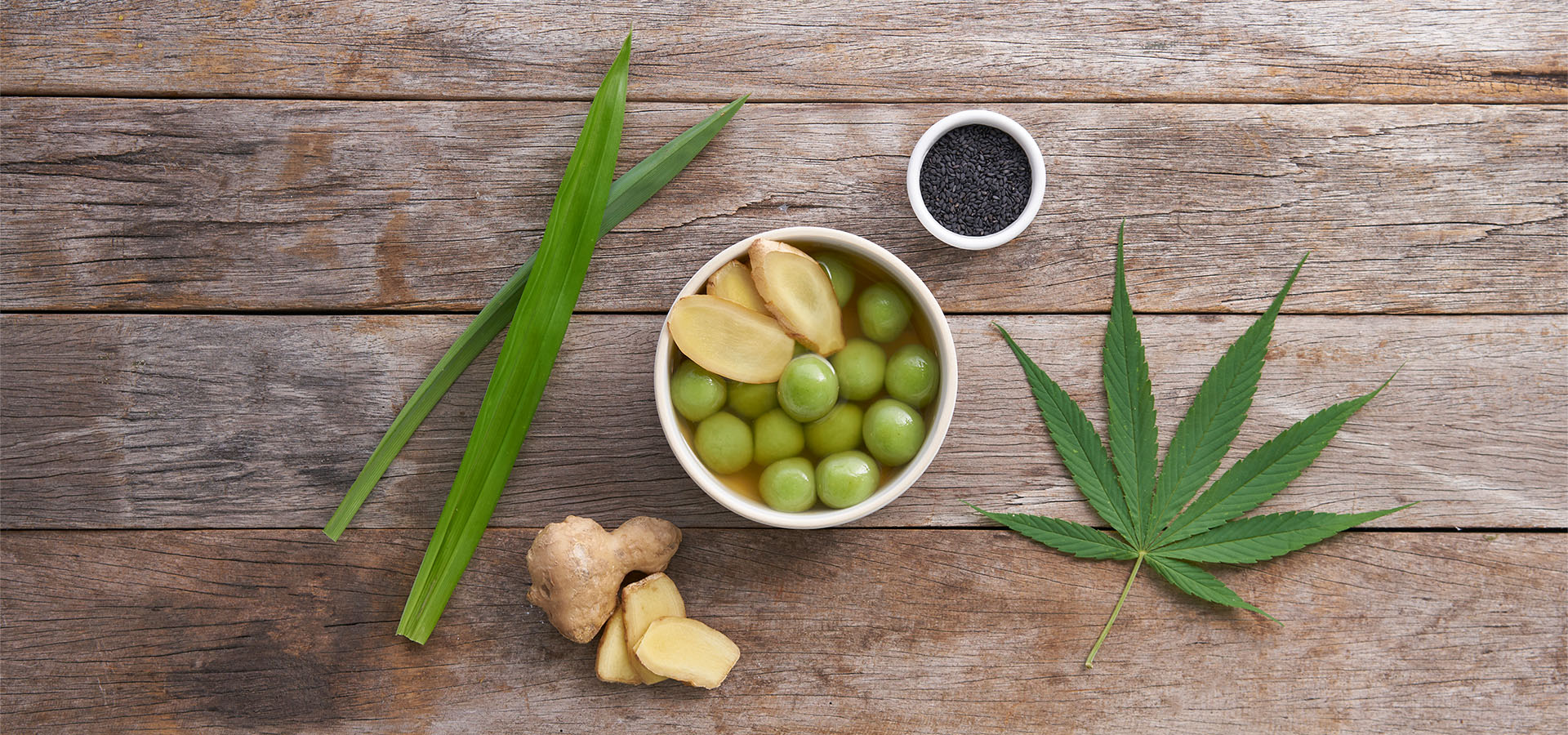
Throughout Thai history, the dish has been used in various merit-making ceremonies and Chinese descendants in Thailand even have their very own Bua Loi Festival called “Tang Choi”. There is another Chinese version known as “Yu Nguyen Xiao” in which the dumplings are stuffed with black sesame and served in ginger tea and this has become known in Thailand as “Bua Loi Nam Khing”.