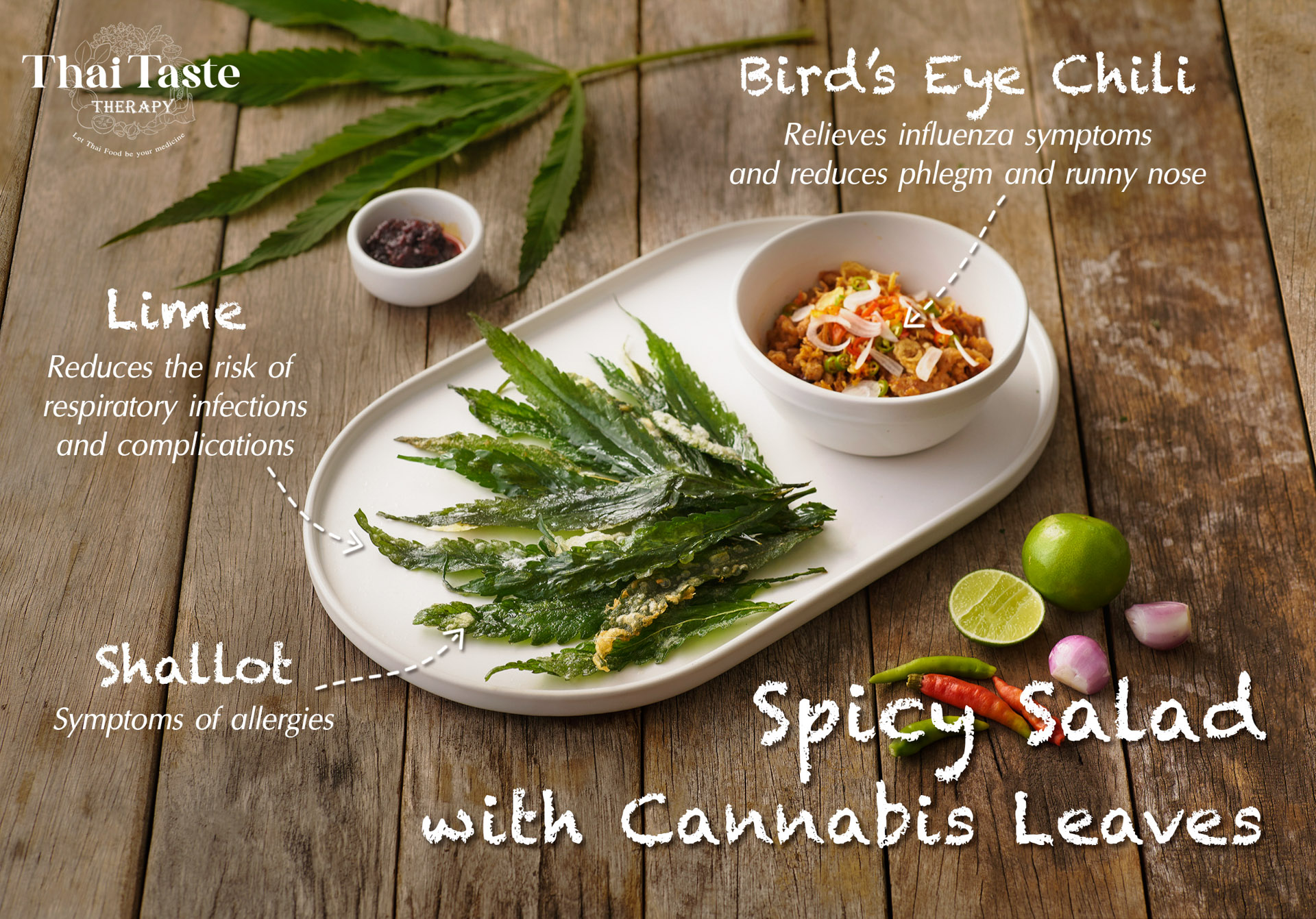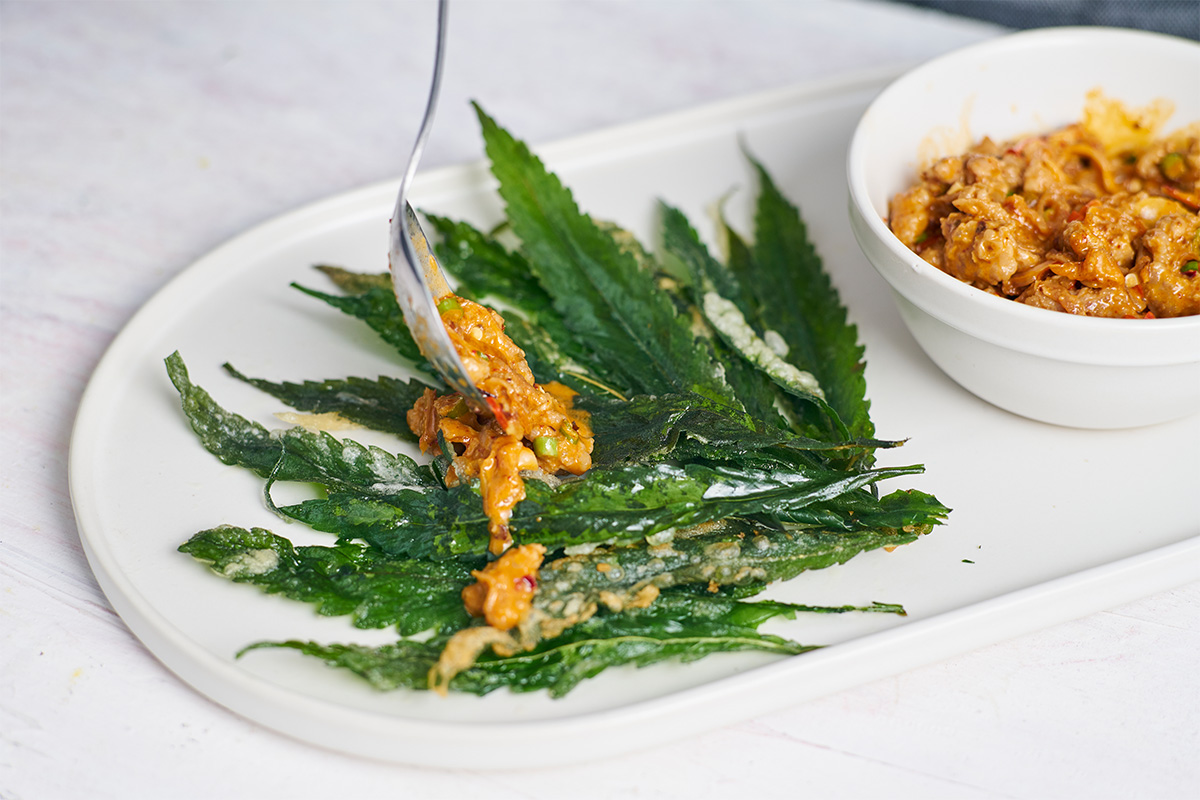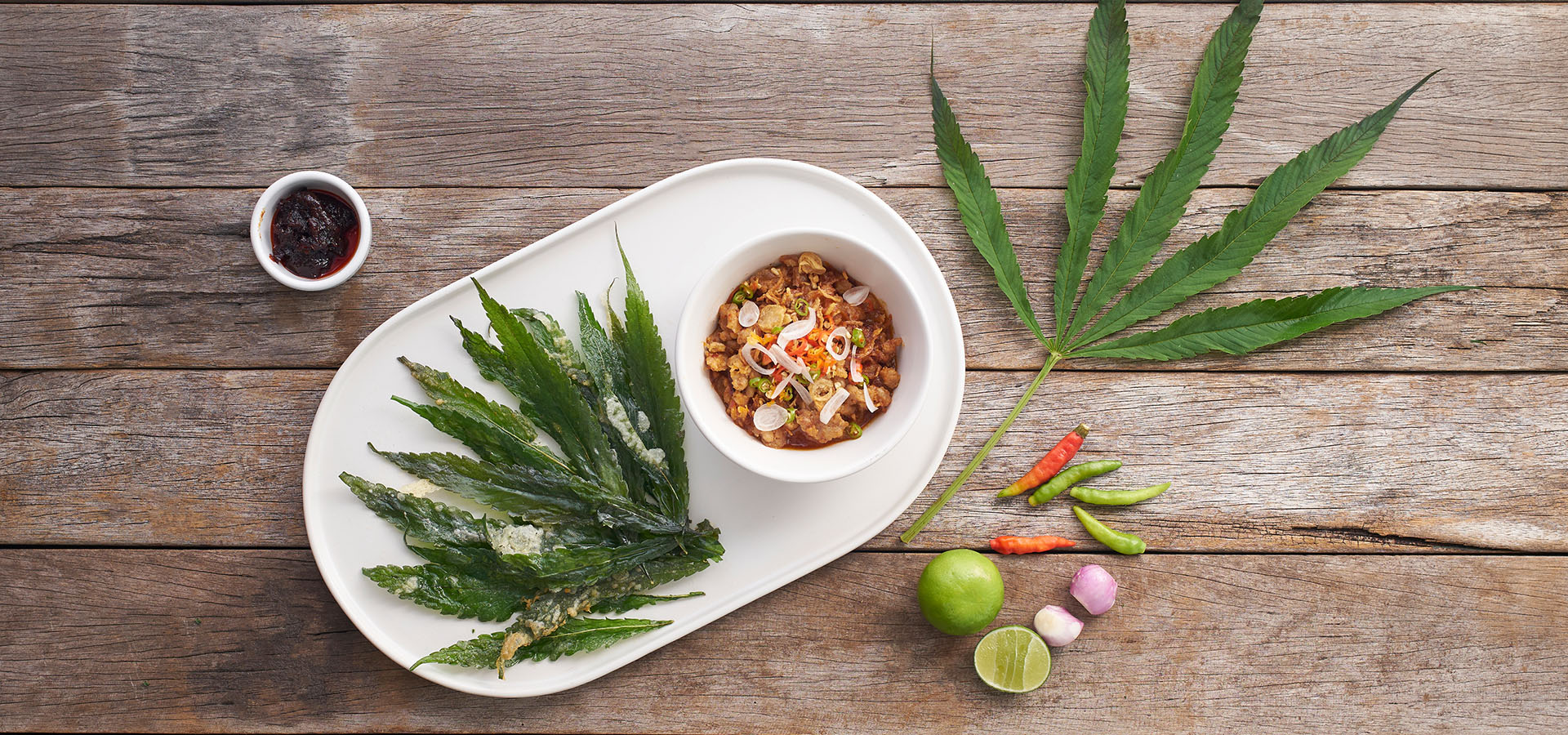
Yum or spicy salad means to bring vegetables and meat to mix with a sauce. The current Thai salad has three main flavors: sour, salty, and sweet. Seasoning sauces or salad dressings are poured a little before serving to make the salad taste good. Since most Thai people are native to spicy food, the dish is very palatable to the locals. With its popularity and simplicity, Yum menus are available in almost every restaurant. Even a shop selling only spicy salad alone can bring in a good income. With a wide variety of spicy salad menus such as vegetable salads such as water mimosa salad, winged bean salad, or various meat salads such as shrimp salad, squid salad, minced pork salad, pork sausage salad, or even a mixed salad menu that mixes everything you like with intense spiciness. There are also some recipes that add fermented fish sauce for more flavor which is very popular nowadays.
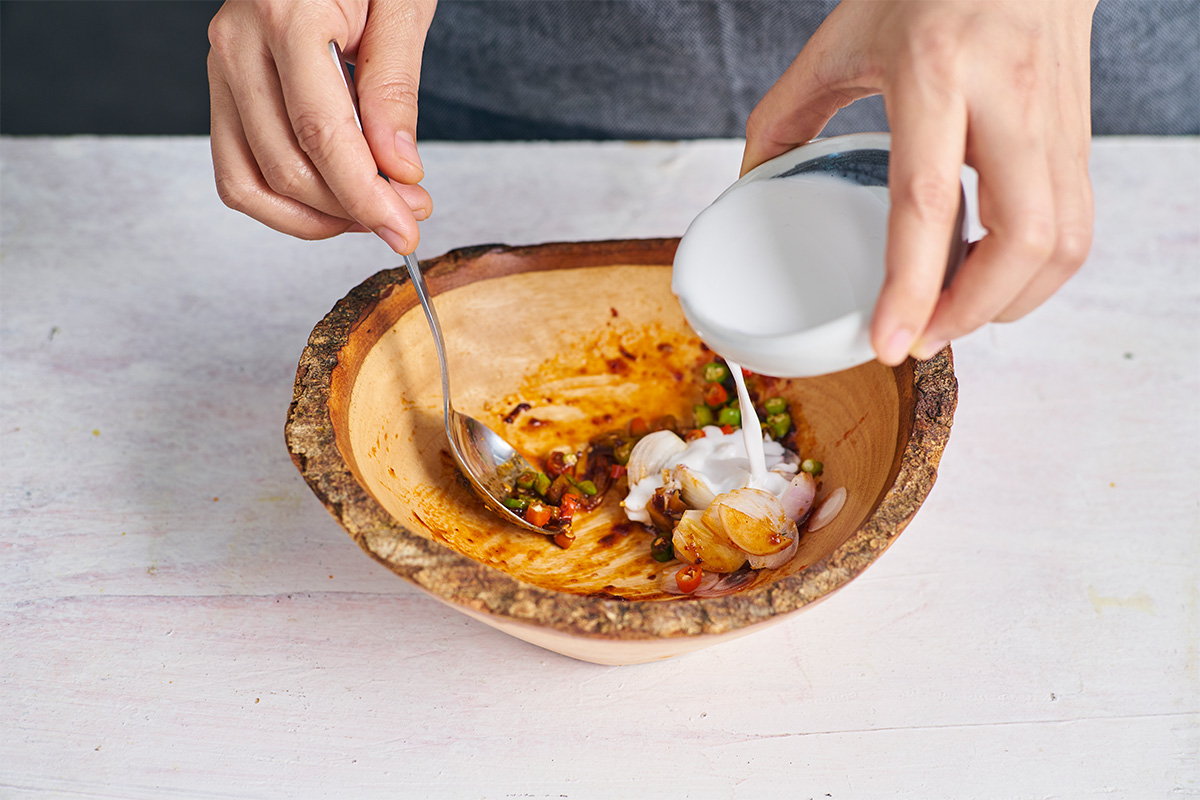
But according to history, Yum has not been spicy or hot from the beginning. Originally, it was just a name for a food that was cooked or eaten by mixing various ingredients. It could go well with seasonings that were not restricted to spicy, sour, salty. For example, the old recipe ‘Yum Dawei’ that has been around since the reign of King Rama V is just a deck of vegetables and meats topped with seasonings, served with chili paste that had a mildly spicy flavor, sprinkled with crispy fried shallot, and coconut milk was added for extra creaminess. Since then, the dish has continued to be developed throughout history until it has become a brand of spicy food that’s very mouth watering by default.