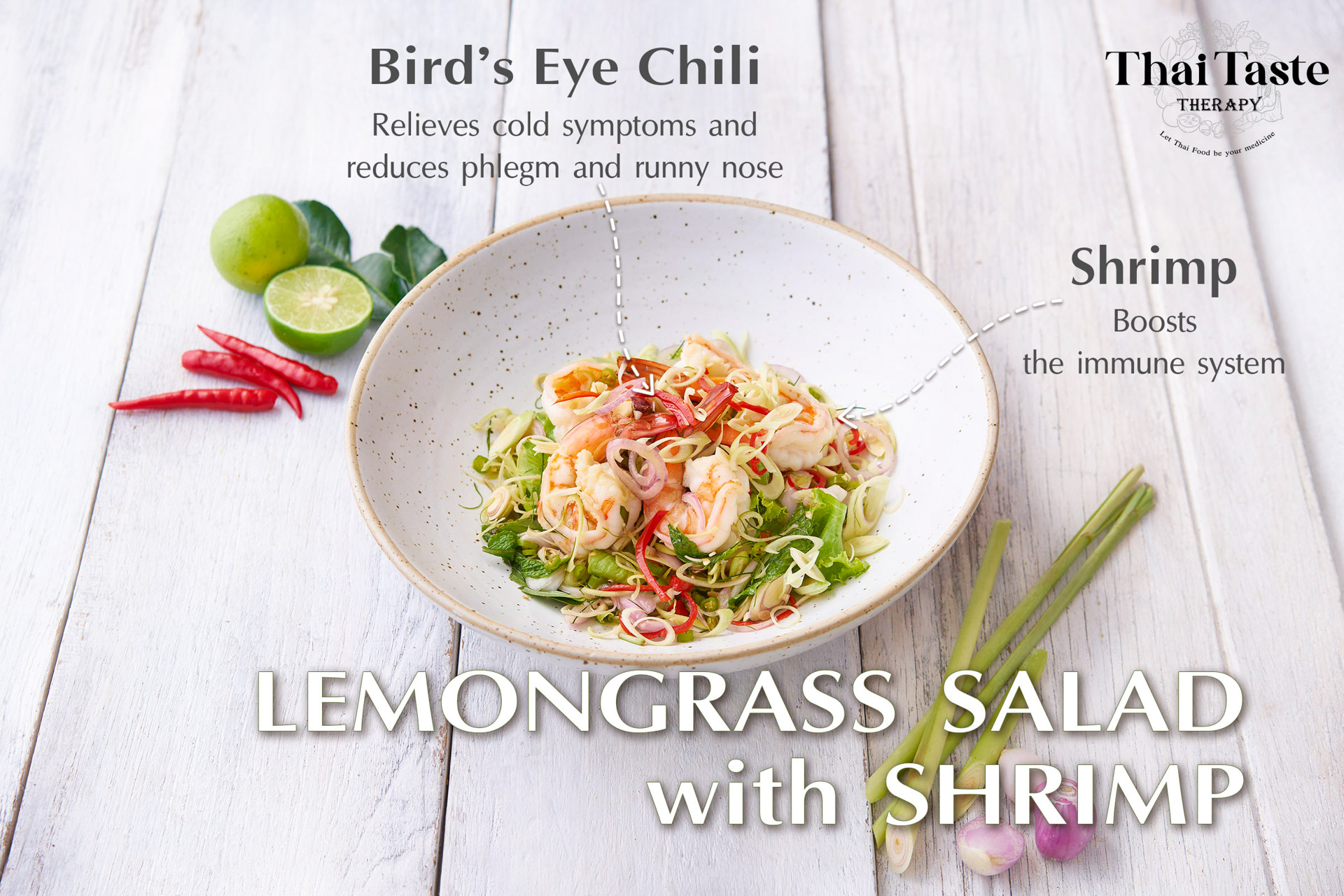
From the basis of the original taste of Thai food with intense flavor or ‘Zab’ in a casual language is popular with most Thai people. Spicy salad or Yum, therefore, responds to those who like intense flavored food. Nowadays, there are restaurants and stalls specializing in this dish popping up on every street corner and spicy salad is more accessible than it’s ever been. There are countless variations on the dish and people usually utilize locally-available vegetables and fruits like pomelo and mango or even dried mullet fish to flavor the dish as well as perennial favorites like raw shrimp, flower crab and vermicelli. It’s safe to say that spicy salad is one of Thai cuisine’s most versatile dishes and one that can be adapted to suit all tastes.
The word “yum” however, doesn’t automatically imply spiciness, and it’s essentially a cooking method which entails tossing ingredients and seasonings together. It’s believed that in the past, the taste of this dish was much milder than the version Thais know and love nowadays. The first mention of a dish of this ilk was “Yum Twai” a royal dish popular in the reign of King Rama V, which was made from various vegetables mixed with meat and seasoned to have salty, sweet and sour flavors with mild heat from chili paste. Coconut milk was added to make the dish creamier and it was topped with crispy shallots. This original version of the dish was obviously different from the “yum” you can buy today as its focus was on mild creaminess rather than spice or intense flavors.